What is the congregation hoping to experience when listening to the choir sing in worship? What does it mean for the choir to “lead in worship?” How does this affect how/what we do in our rehearsals? What does this have to do with conducting?


What is the congregation hoping to experience when listening to the choir sing in worship? What does it mean for the choir to “lead in worship?” How does this affect how/what we do in our rehearsals? What does this have to do with conducting?
A session on diction seems so simple as to be almost unnecessary. Just pronounce the words of the anthem clearly, end of story. In practice, choral diction is surprisingly complicated and has a direct effect on other aspect of choral music-making, including phrasing and tone. Can good diction be taught? Whose responsibility is diction, the singer or the conductor?
For many choir members and conductors, the goal of rehearsal is to learn the notes and the rhythms. Are we allowed to ask our choirs for more than that? Can we ask them to sing in tune? Is singing in tune important? Can singing in tune be taught? Whose responsibility is tuning, the singer or the conductor?
What is the purpose of a conductor in rehearsal? What are we hoping to accomplish? Do we do anything beyond choosing the music and picking the tempo?? Are we allowed to ask our choirs to improve? Improve what? Improve how? We’ll start to explore these questions by looking at the conductor’s role in teaching and shaping phrasing.
The dedication of the singers in our choirs is remarkable. Many of them attend rehearsals and services regularly for decades. Why? What does this question have to do with our role as conductors?

Description: How are communities of artists unique? What are our concerns as leaders of these groups? What create a healthy work environment for highly sensitive people? How do we practice biblically based leadership? In this session, attendees will explore the...
Description: This session is a continuation of Rehearsal Mapping 1. Rehearsal Mapping allows the conductor-teacher to prepare for rehearsal and to respond to the ensemble when things don’t go quite as planned. Participants will explore the distinction of planning vs....
Description: This session will act as a pre-cursor to Rehearsal Mapping 2. Participants will observe models of score study including harmonic, formal, textual, and interpretive. This methodology of rich score study will lead the conductor-teacher to a fully prepared...
Description: This session will offer an overview of the adolescent voice. Attendees will learn voice building exercises that address the most common issues in the changing voice. Strategies will include specific pathways to deal with the challenges of vocal...
Description: This session will explore seven strategies to strengthen, clarify, and refine your conducting gesture. Participants will explore meaning through movement and emerge with tangible strategies for practice and continued self-reflection. Location: Baylor...

Join doctoral students Jon Snyder and Breck McGough as they present their research related to choirs and choral music.
The session is an in-depth look at the history of the spiritual, performance practice, and the arrangers.
This session will focus on making your rehearsal productive and engaging.
We are responsible for creating a hospitable environment in our church choirs. This session will examine strategies for fostering a communal environment in any setting involving choral music. Vulnerability, trust
The class will take apart a score and discuss and select the myriad choices the conductor must make prior to the first rehearsal. If we don’t make the choices, the singers will!
Building expressive tone in warm-ups and rehearsals. The class will discuss and participate in vocal, mental, and physical warm-up exercises. The class will also briefly discuss and implement various seating arrangements and
Dr. Gusukuma will present a variety of strategies for organized, engaging, efficient rehearsals utilizing conceptual teaching, conducting…
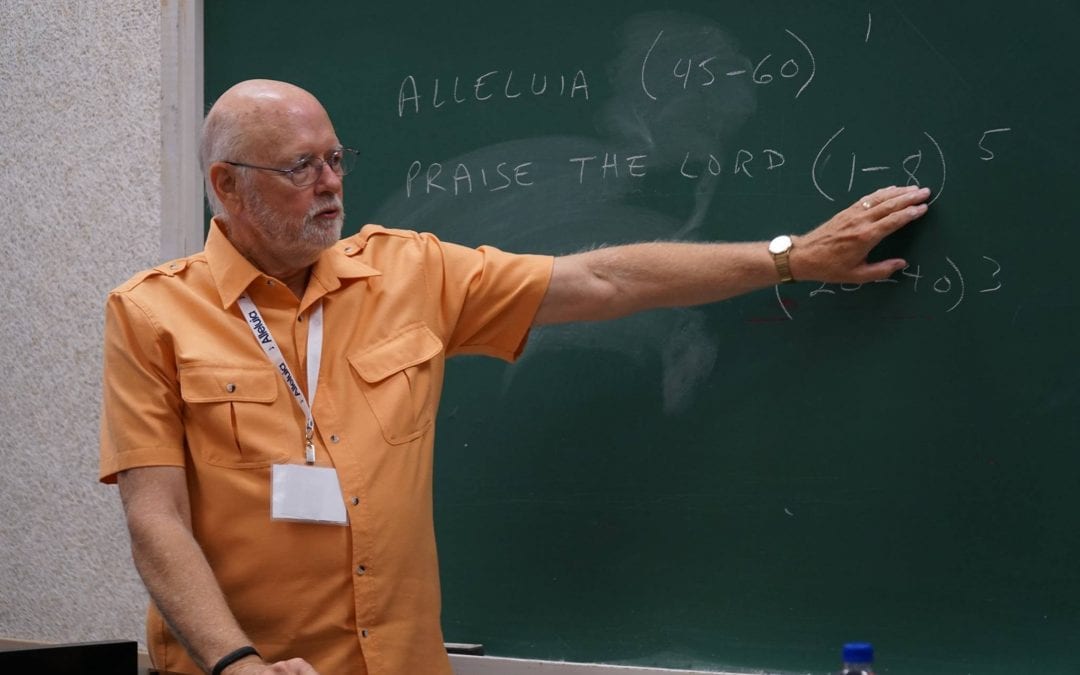
This session is designed for musicians with little background or training in choral directing who find themselves leading a church choir. Questions…
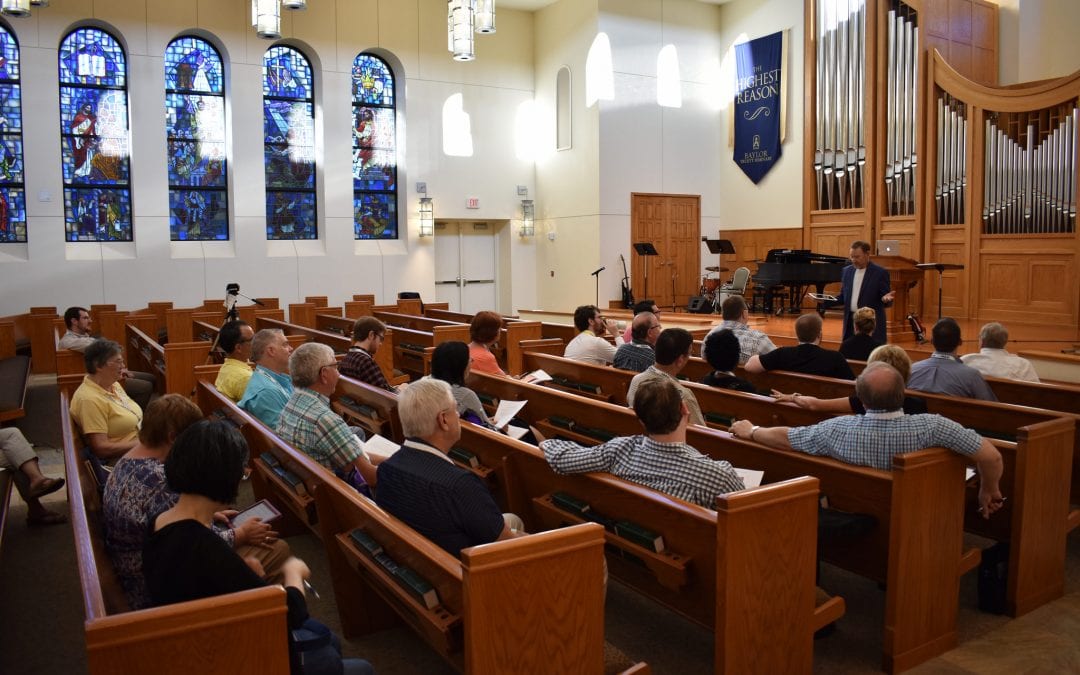
How much thought do you give to your concert and worship service programming? What responsibility do we have to connect our…
Historical, compositional, and individual style influence tonal color. Attention to stylistic issues ensures a tone whose…
How much importance do we ascribe to text, and how much of this understanding do we communicate to…
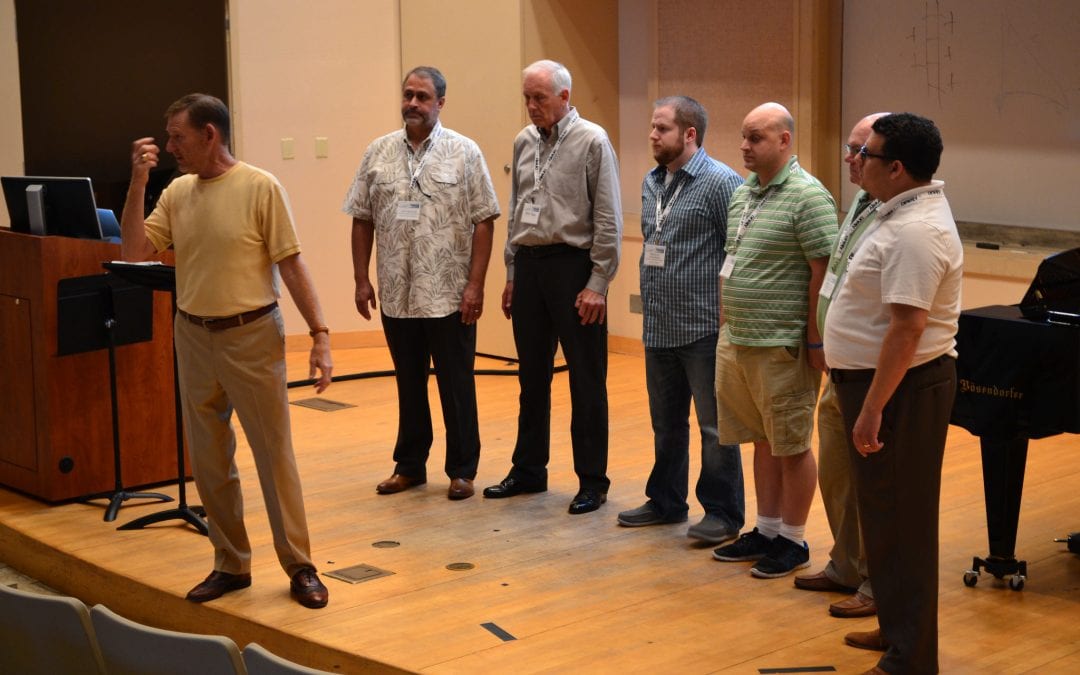
The consequence of constructing one’s choral tone from the collective blend of individual timbres with emphasis on…
A Kinesthetic approach to the music requires a physical, bodily response to the music. When this approach is employed in rehearsal, the tone…
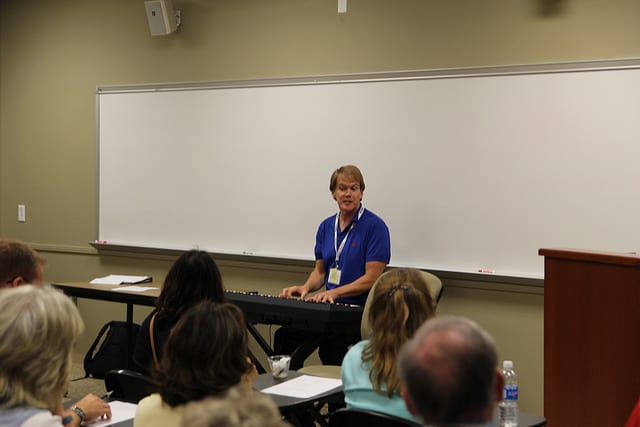
A collection of practical ideas to immediately help the typical church choir sing with passion and a quality sound.
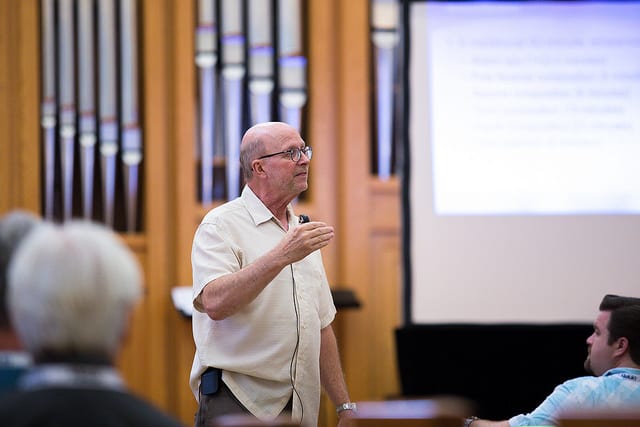
Let’s have a look at intonation and the role of consonants. Vowels are commonly the only focus in a choral rehearsal. This presentation will explore…
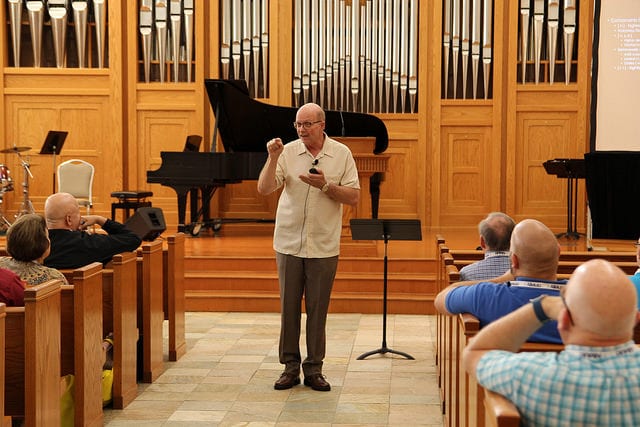
Placement of voices within an ensemble can greatly affect the overall sound. This presentation will look at schools of thought on choral sound and…
Everyone wants their rehearsal to be efficient and effective. This presentation will explore approaches to rehearsal planning to maximize the use of time and quality of that time spent with singers.
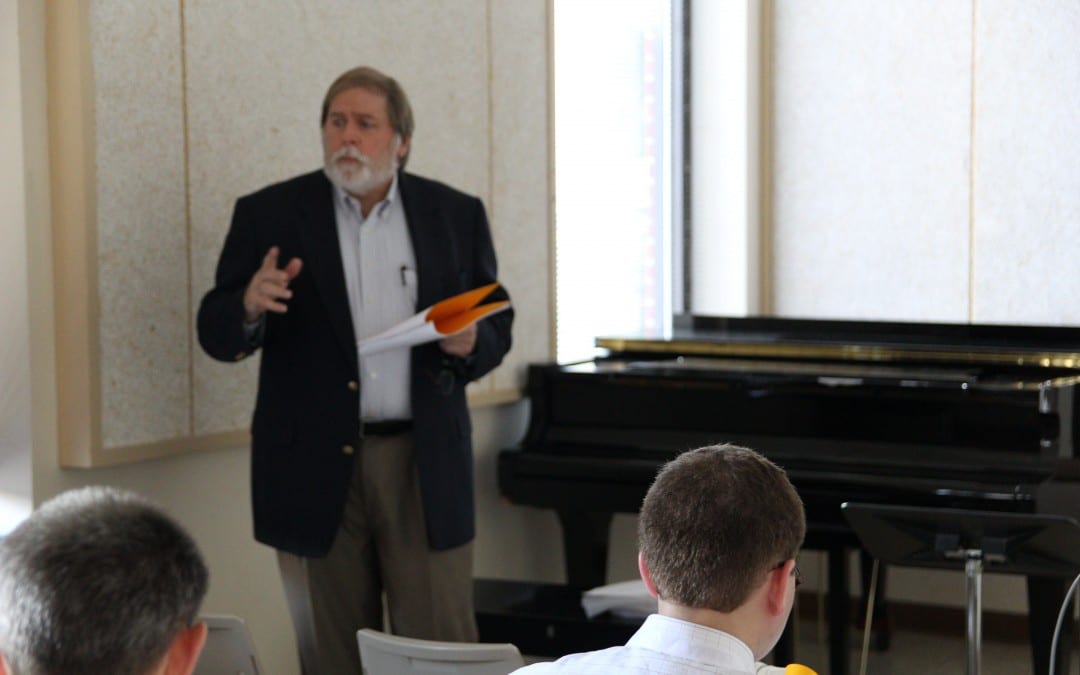
A session devoted to suggestions on how to work and communicate effectively with instrumentalists
Well-crafted warm-ups are a crucial tool in planning an effective and productive rehearsal. This presentation will explore the purposes of…
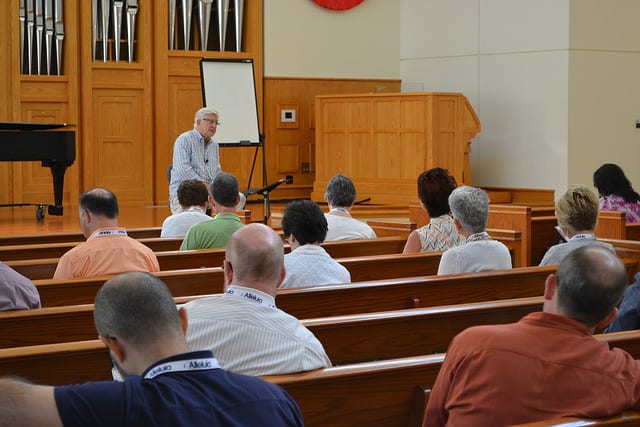
Structural analysis and preparation of the score; and elements of artistic conducting.
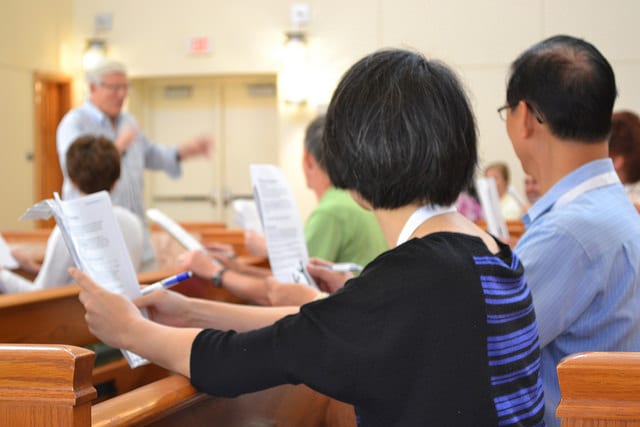
Bringing the “mathematics” of notation to musical artistry.
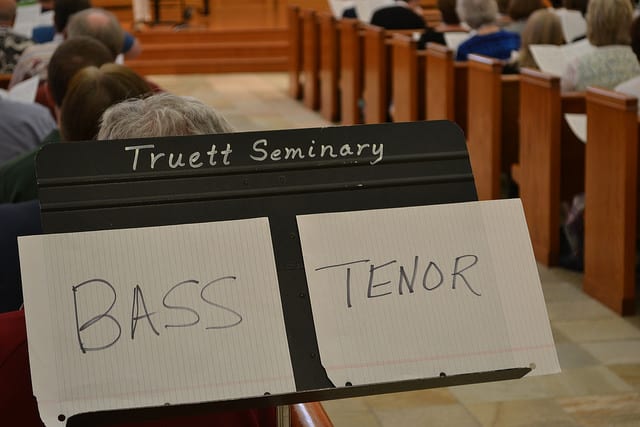
Description: Discussion of each of the four (SATB) choir sections, and how to specifically teach them. Location: Truett Seminary, Baylor University - Waco, Texas
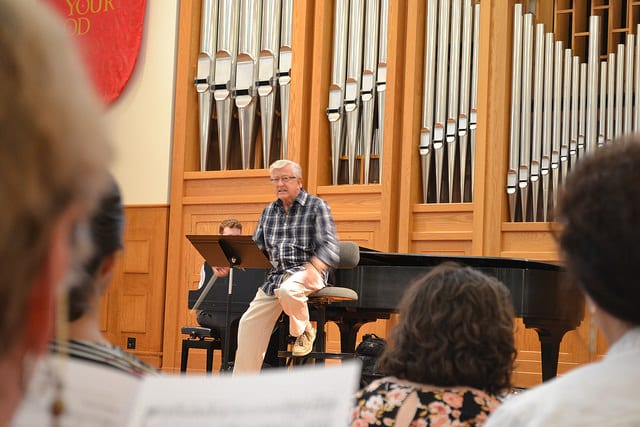
Techniques that guarantee text understanding and word-meaning-communication with the congregation.
The vocal/choral techniques that produce maximum potential for singing that is both beautiful and inspiring.
Understanding the Impact (“Why is choir so ‘touchy-feely’?) What is it that makes music so universally transformative? How…
What system can I use to teach my singers style? What is possible for “once-a-week’ singers as they attempt different kinds of music?
A review of the principles of clarity and communication required of our hands.
Unity through Activity (“Mama don’ ‘llow no dancin’ in church…”) The topic shifts from the engagement of mental properties to physical ones. Group imagination is…
Envisioning the Idea (“Why’er we doin’ this anyway…?”) How does exercising the group imagination result in improved technique as well as a unified interpretation?
How can I get that motley crew of fellows to sound elegant, beautiful, communicative, IN TUNE…
Semi-sage advice from an Aging Conductor.
Rehearsals are where the action takes place; where improvisation, based on knowledge and imagination, leads to..
Why are some performances gripping and others just good? What is the role of risk in the life of the…
The greatest conductors are those with the greatest imaginations. This session will deal with developing the conductor’s…
Experiences in youth choirs are important to the entire church music program. Voice change is an inherent issue when working with the youth choir as it affects literature…
Through the use of good technique, voice classification and placement of singers within the ensemble, different hues of sound can be created within the church choir which can enhance…
Interestingly, that the Word which John speaks is Christ Jesus, Himself. And when we sing, it is the in words of our songs that He chooses to not only touch…
For many of our church choir members, we are the ONLY voice teachers that they encounter. This session will focus on encouraging the development of the…
This session will examine several motivating reasons we choose to express our faith through the gift of choral music. In….
Two sessions in which Anton Armstrong will discuss rehearsal goals and strategies which nurture our…