Develop practical conducting skills to lead choirs from the console with confidence, incorporating efficient rehearsal strategies and clear gesture techniques.


Develop practical conducting skills to lead choirs from the console with confidence, incorporating efficient rehearsal strategies and clear gesture techniques.
Develop practical conducting skills to lead choirs from the console with confidence, incorporating efficient rehearsal strategies and clear gesture techniques.
Discover how to apply effective registrations for hymns, choral accompaniments, and liturgical moments, ensuring clarity, expression, and dynamic leadership in worship.
Discover strategies for planning and executing engaging organ recitals, from selecting repertoire to audience engagement and effective promotion.

Understand key maintenance practices for pipe organs, from routine care to troubleshooting common issues, ensuring the longevity and reliability of your instrument.
Learn techniques to strengthen congregational singing through thoughtful hymn playing, effective registrations, articulation, and creative use of the organ’s resources.
Explore essential vocal health strategies and techniques to support cantors and choirs, helping them maintain strong, healthy voices for liturgical singing.

One of the challenges for any church musician is the need to have new music ready every week, with limited rehearsal time in the midst of busy lives and other responsibilities. There is never enough time! This workshop will offer tips and tricks to make your practice more efficient, less stressful, and more enjoyable.
Authors and composers of congregational music have given us rich expressions with which to shape and renew our faith and help us form connections with God and with each other. But our congregations will only get the message if they pay attention to the texts they sing! In this workshop we’ll discuss how best to help our worshiping communities sing this poetry with appreciation, artistry, and enthusiasm.
Every worship organist has encountered needs to improvise: the offering or communion takes longer than anticipated, a fanfare is needed for a processional hymn, the bridal party is running behind, variety is needed for a multi-stanza hymn, the anthem was originally written for piano. This workshop will explore easy ways to begin and build upon your improvisation toolkit.
Johann Sebastian Bach left a rich legacy of examples of how to live one’s faith as an organist and a composer. This workshop will explore Bach’s life and music in the context of his time, his theology, and his career as a church musician. We’ll discuss how to best live our own faith through our music-making.
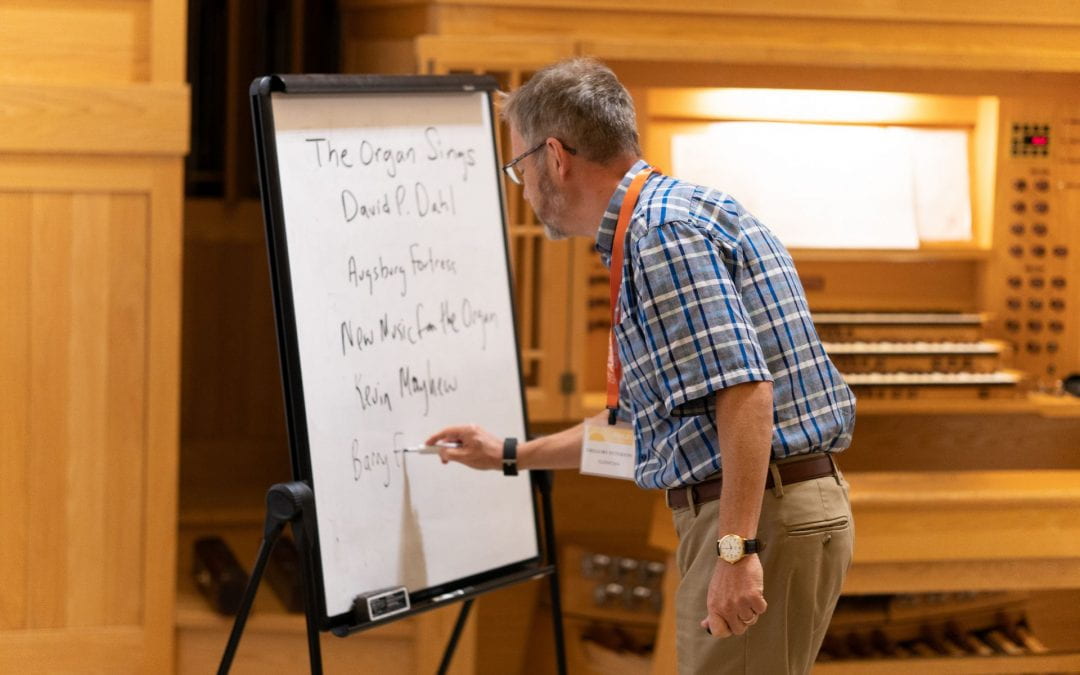
A survey of chorale-based repertoire, both old and new, suitable for preludes and postludes.
In this session Gregory Peterson will cover a variety of practical tips for creative hymn playing.
We live in a time when it is understood that we should play Bach and Buxtehude differently from Brahms and Bolcom. This will be a discussion and demonstration of the stylistic differences in organ literature and the performance practices of various styles.
J. S. Bach was one of the greatest church musicians in history. This session will be a discussion and demonstration of Bach’s art of “preluding” on a chorale tune. The approach will include a chronological journey through Bach’s chorale-based works.
Have you ever felt tired or even exhausted after practicing the organ or playing a church service? Come and hear some ideas of ways to alleviate tension in playing. Renew your love for playing the organ!
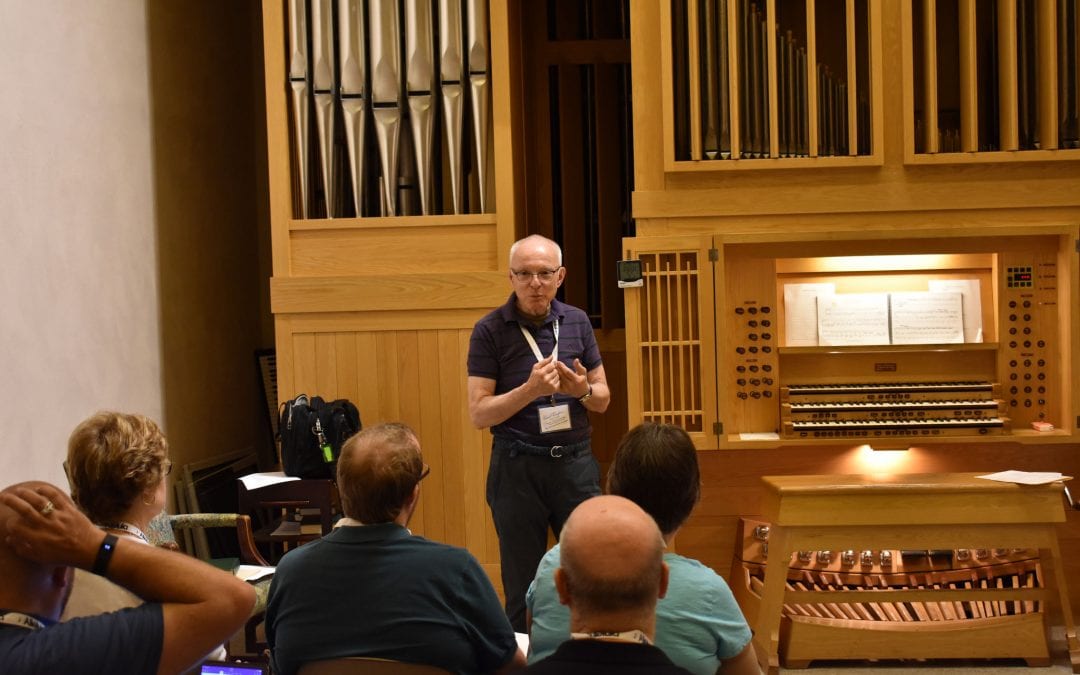
College choirs enjoy a different “life style” from church choirs. Ferguson will…
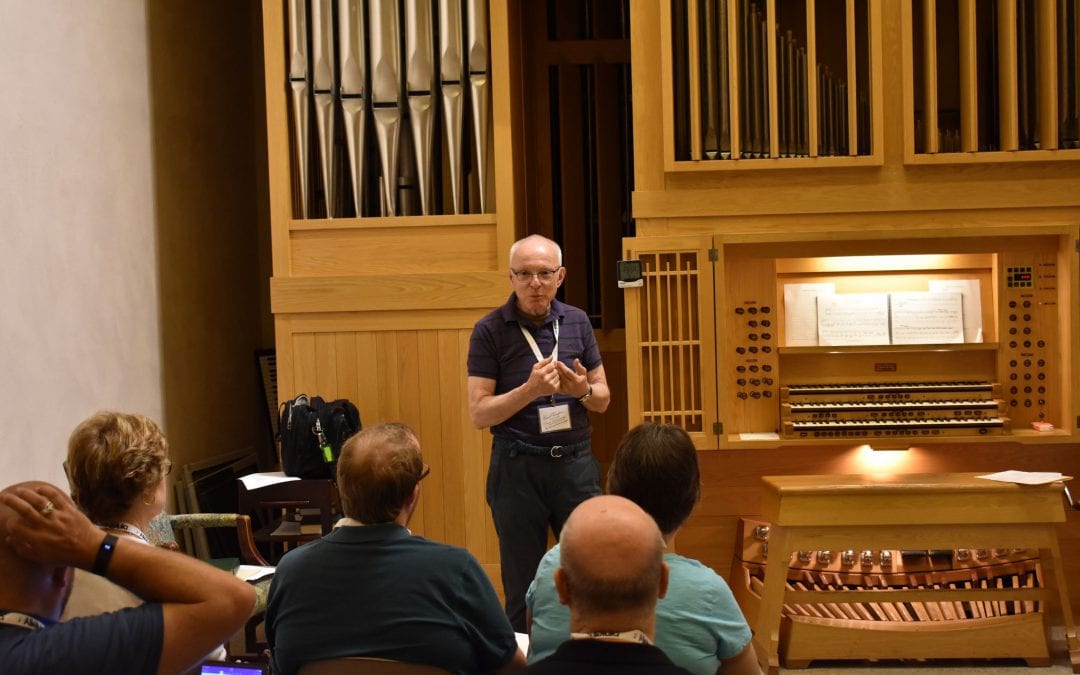
Ferguson will explore the “nature” of the organ, especially considerations relevant to accompanying…
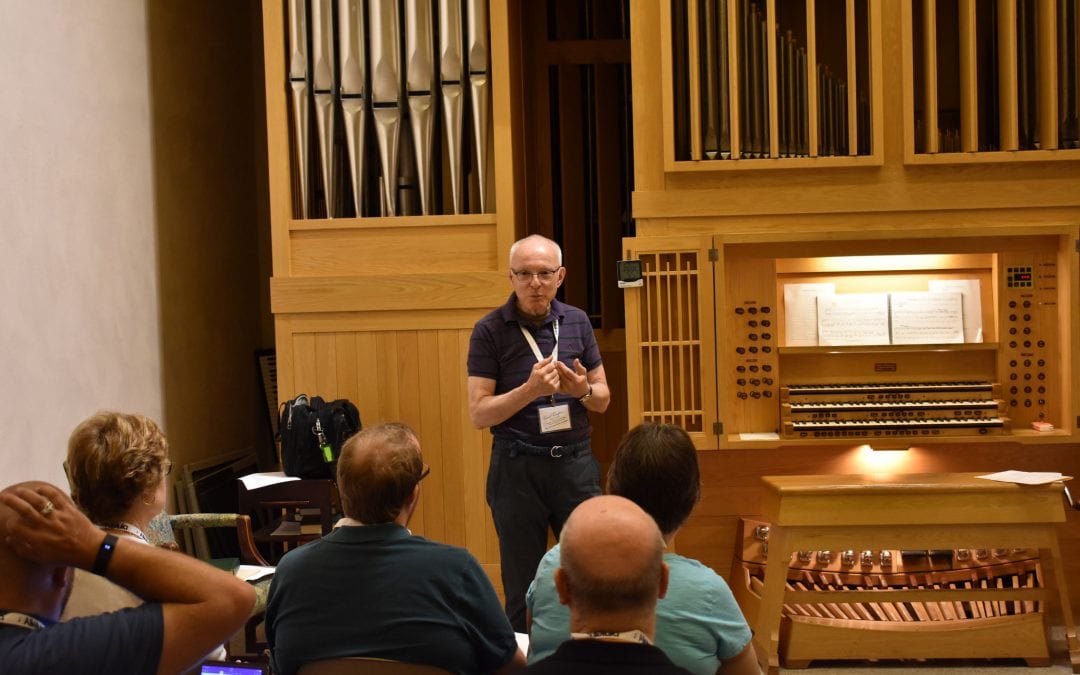
This session is a continuation of part 1, with specific emphasis on the improvisation of creative introductions.
An exploration of simple improvisational techniques useful in providing variety while responding to themes in…
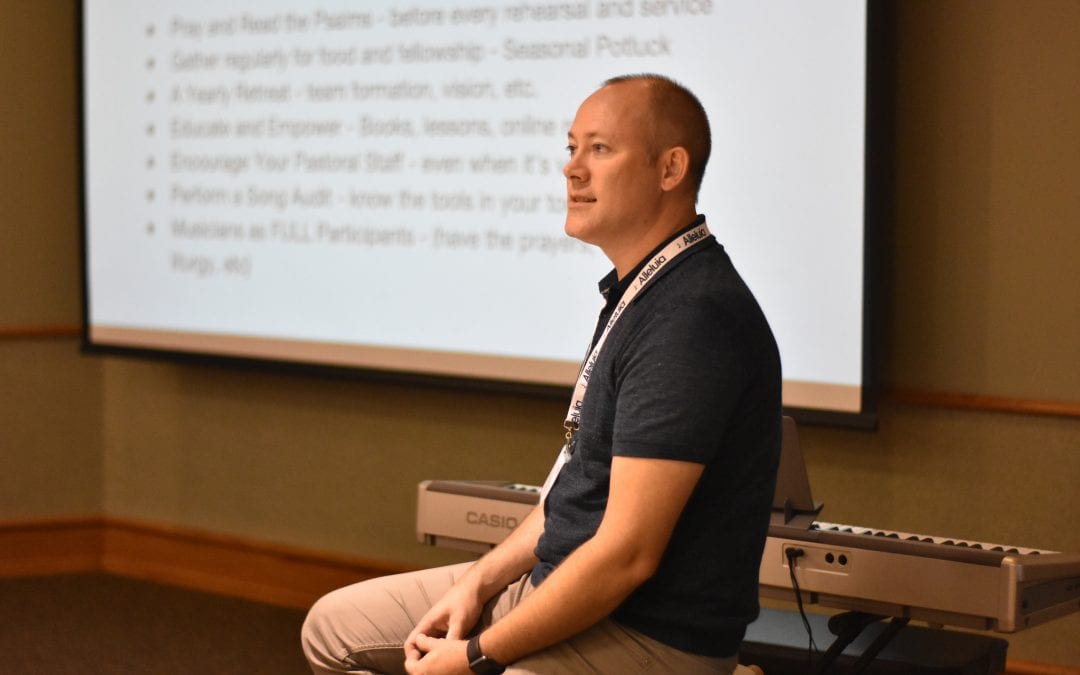
In this workshop we will examine a few congregations that regularly…
Ferguson will explore concepts and techniques for efficient and productive practice drawing upon over 40 years of teaching organ.
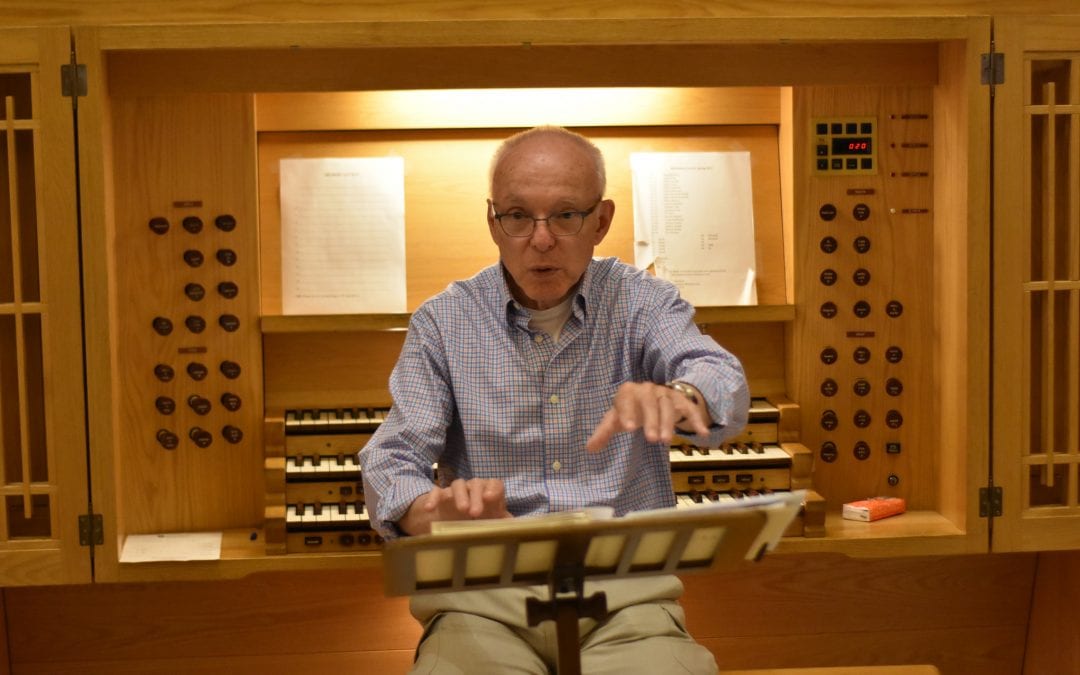
Ferguson will explore concepts relevant to hymn playing including: leading from…
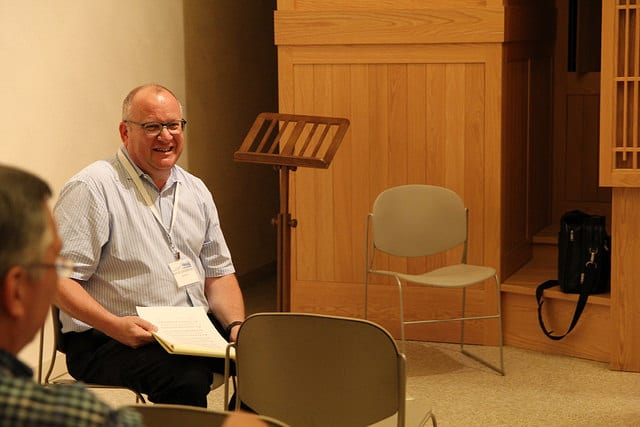
Hymns have come to us from a large variety of times and places, which gives us the opportunity to bring out this variety! How? Topics will include tempo…
A list of quick and simple ideas other than playing the first and last line, with which hymns can be introduced…
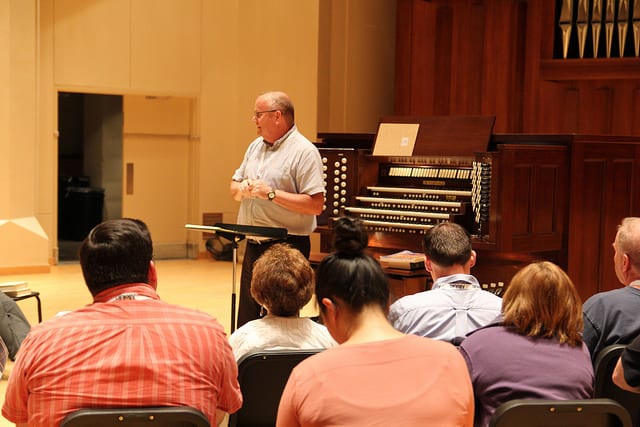
The organ is an instrument full of a variety of colors, uniquely able to evoke a wide range of expression in the singing. Ideas for keeping registration…
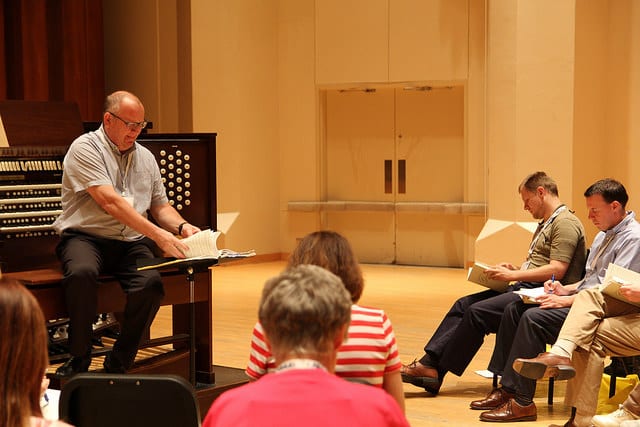
For many improvisation feels out of reach, yet everyone is capable! Where to begin, and how to gradually (and slowly) build this ability. We will…
Simple ways the organist can encourage (or inadvertently discourage) robust singing. The basics include pulse, breathing, reliable downbeat, and finding the “right” tempo.
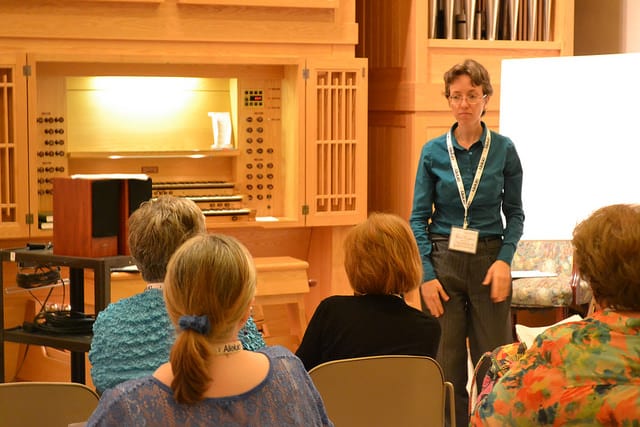
Accompanying choirs is a crucial component of most church positions, one that requires a very high skill level. This workshop will provide…
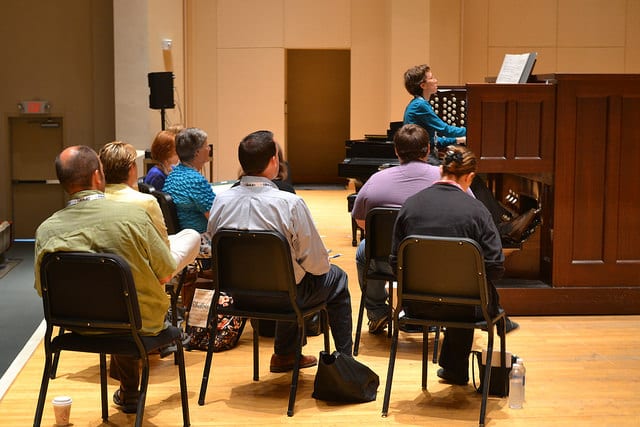
Organists are often asked to perform works originally written for piano or orchestra. This workshop will provide some techniques and strategies to…
Church musicians are called upon to be among the most versatile of musicians. However, their many duties limit the time at their disposal for practice…
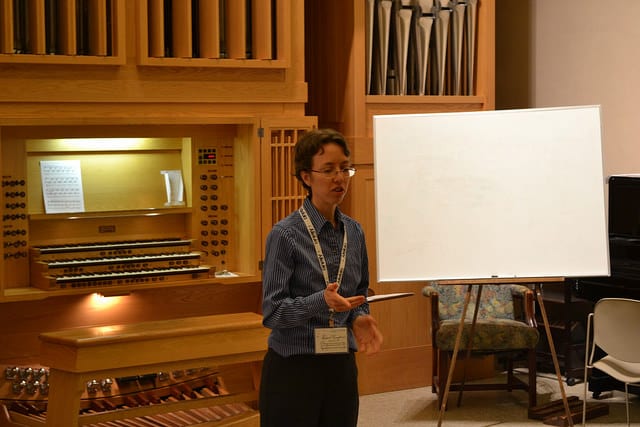
An introduction to the organ, geared towards pianists and other keyboardists.
Improvisation is one of the most valuable liturgical skills, yet it is all too easy to suffer from white-page syndrome when facing a liturgical transition…
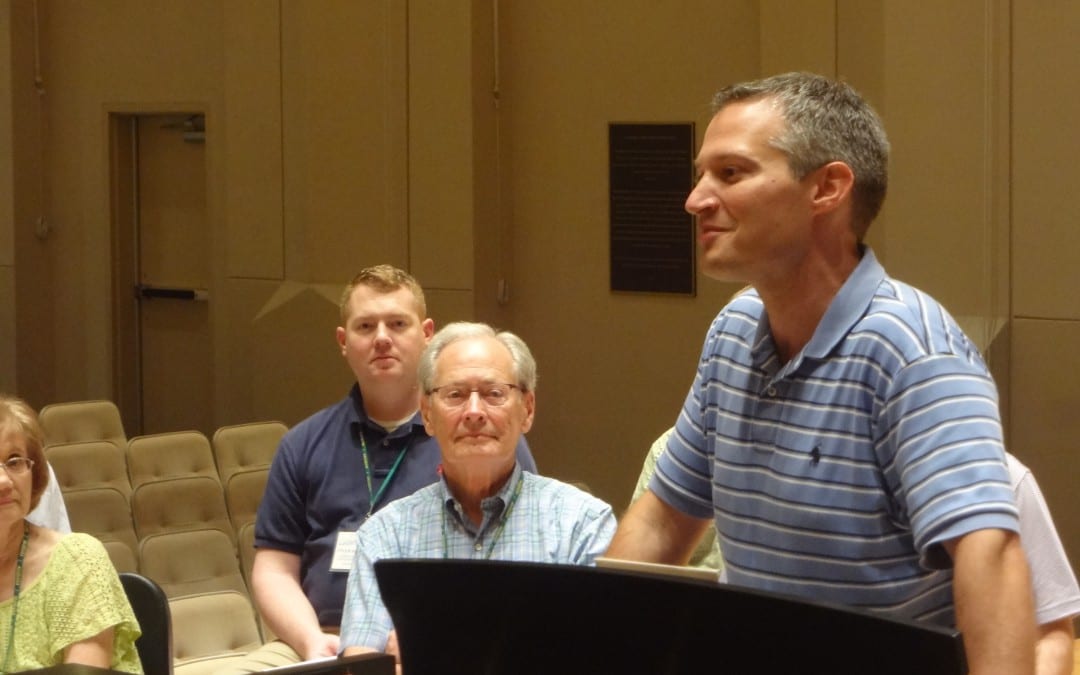
The organ can be one of the most inspiring, colorful, and expressive instruments for leading worship when we maximize its potential. This class will demonstrate how to make the most…
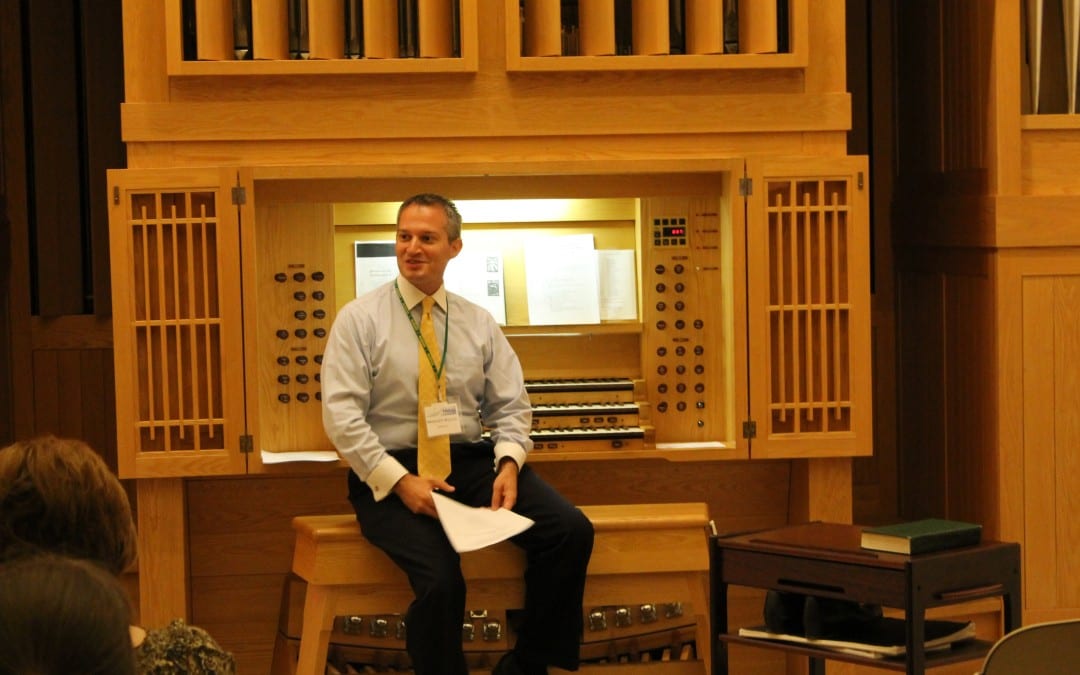
We will explore the ways the pianist/organist can best support, inspire, and express inherent meaning in the music in worship/performance.
No matter the ability level of the choirs with which we collaborate, the artist at the keyboard has many opportunities to hasten the choir’s progress in rehearsal as…
Following Part I, this class will examine some more advanced techniques as well as allow the opportunity for class participants to try out some techniques.
The word “improvisation” frightens many organists, but in reality, the best improvisers have their own “bag of tricks” to use in creating a new song.
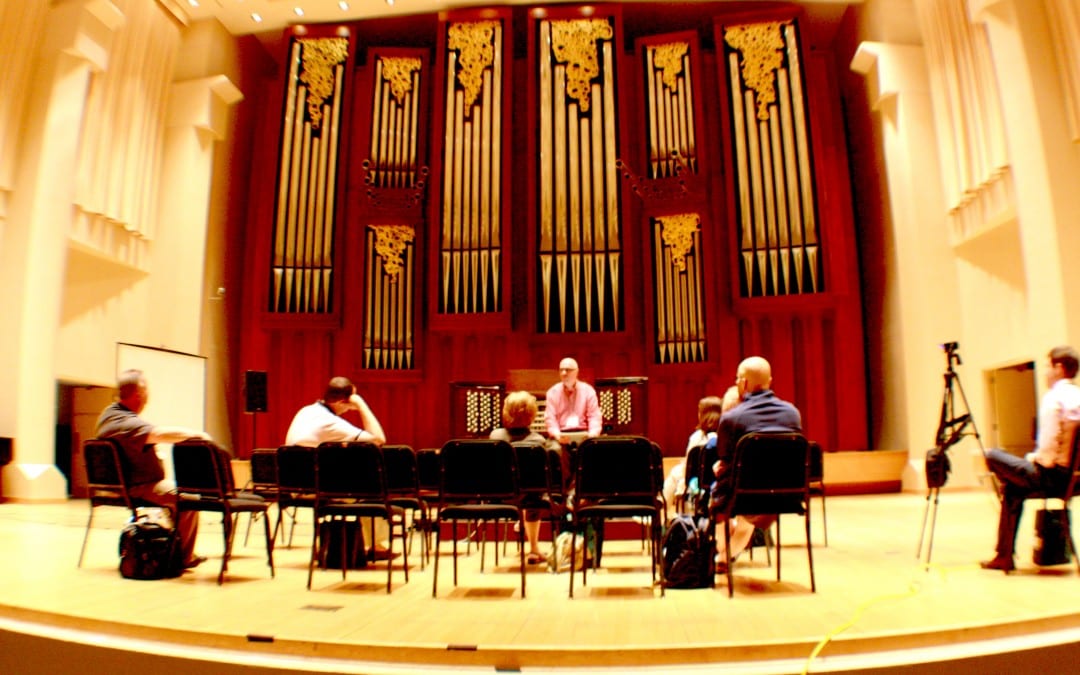
The different liturgical seasons open up opportunities for inventive choices of organ music. We will…
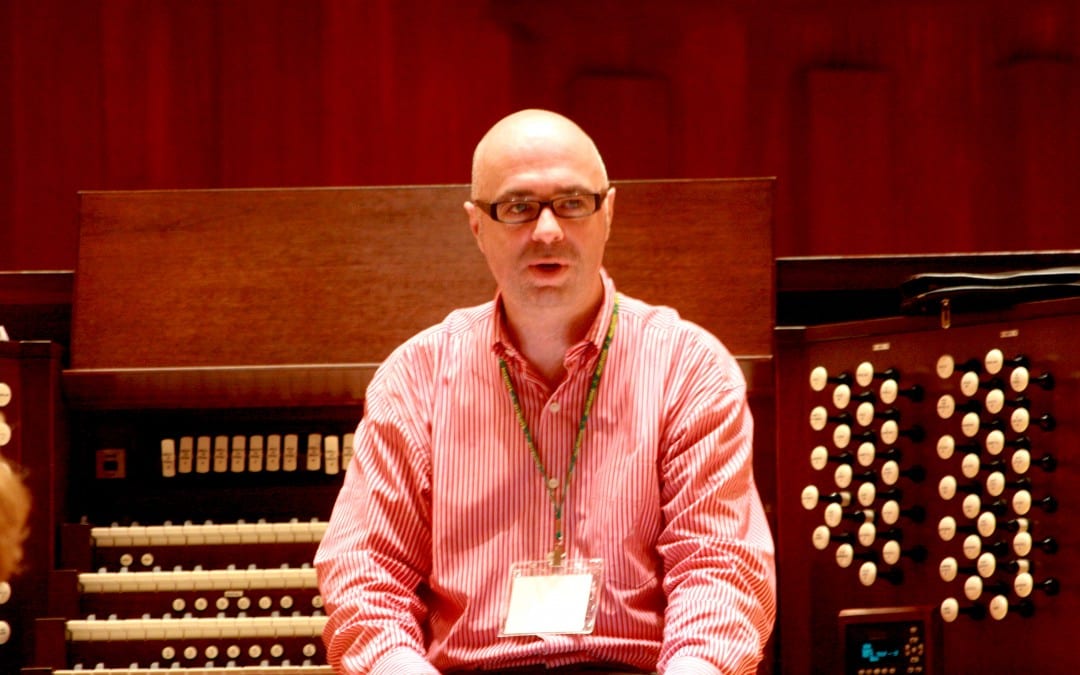
A session during which we can encounter, share and play some different organ literature….
What does a pianist do when confronted by more than one keyboard, ranks of stops and an insistence that “only….
A session answering questions about accompaniment at the organ. The art of organ accompaniment involves….
The Internet contains a vast amount of organ and choral music in the public domain. In this session we…
An introduction to the English Cathedral musical tradition, its history, its music its choirs and its organs as well as its theology. What can it teach us as church musicians in different settings?

Improvisation is a useful tool for more effective service playing: creating your own hymn introductions, interludes, reharmonizations, hymn arrangements, postludes…
Interludes add an exciting dimension to hymn singing. They also serve a useful purpose as transitions from preludes to hymns, hymns to anthems, offertories to…
http://edge.baylor.edu/media/183569/183569-audio.mp3 Location: McCrary Music Building, Baylor University - Waco, Texas.
Explore how to get the most out of your practice time.
A discussion on hymn-based repertoire.
Focusing on organ terminology, definitions and helpful registration hints.