

|
Understanding how terrestrial ecosystems respond to environmental perturbations, such as rapid climate change and mass extinctions, is critical for understanding ancient ecosystems and how current and future ecosystems will respond to the Earth’s changing climate. Research in the LEAFF Climate Lab is focused on understanding how environmental change drives evolutionary processes in plants and animals. Our lab uses an interdisciplinary approach that utilizes geobiology, stratigraphy, sedimentology, paleomagnetism, and proxy development to answer the unifying question: |
How do environmental changes, from global climatic events to local changes in deposition, reshape ecosystems and evolutionary pathways?


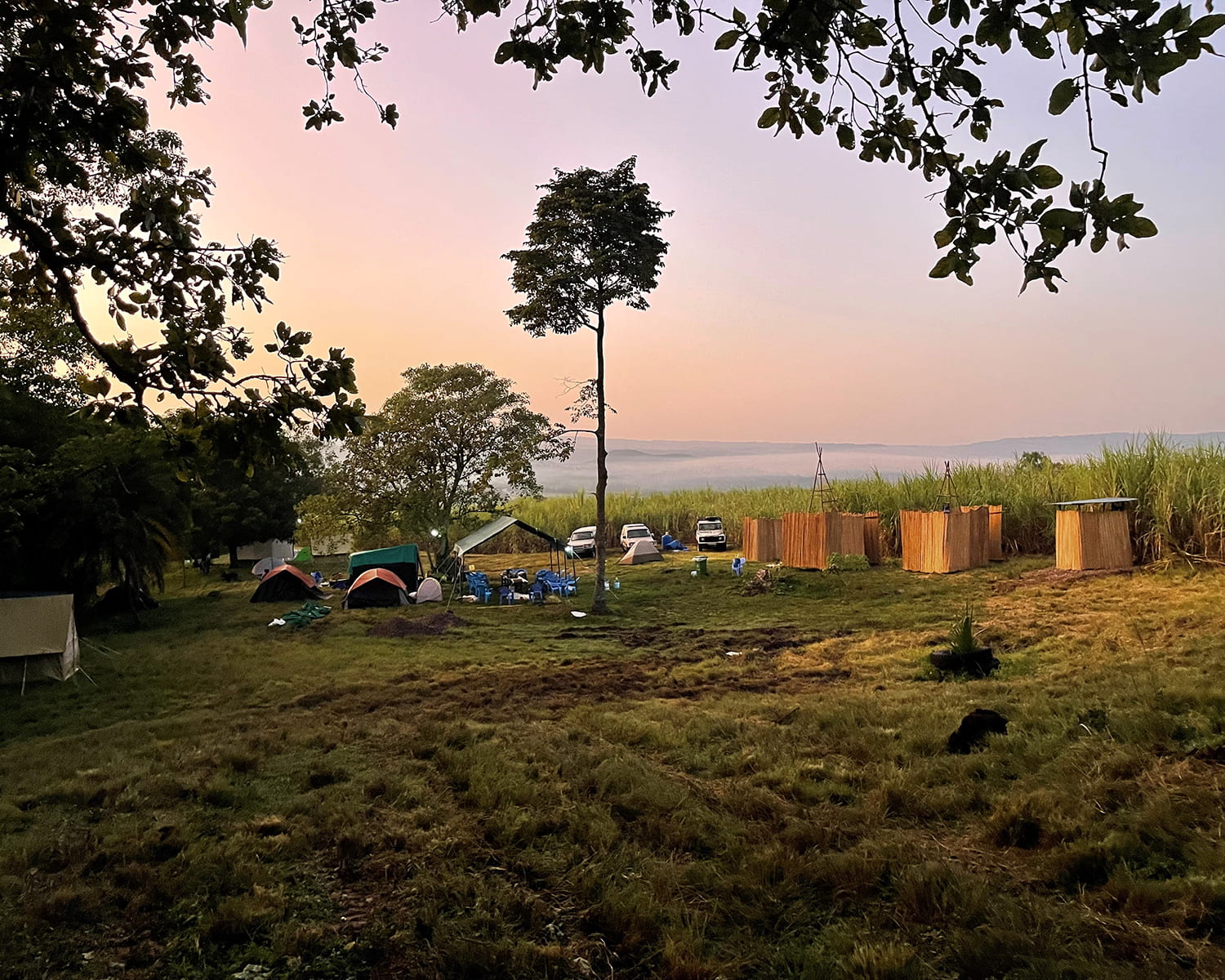
Research in the LEAFF Climate Lab relies on a combination of field and museum based research and detailed laboratory analyses. We work on projects around the world, from in our backyard in Central Texas to eastern Africa. Research in the LEAFF Climate Lab is focused on four major research initiatives:
- Understanding the influence of changing environments on the evolution of hominoids in eastern Africa and Asia during the Neogene
- Reconstructing the paleoclimatic and depositional history of the Lake Victoria Basin in eastern Africa during the Quaternary
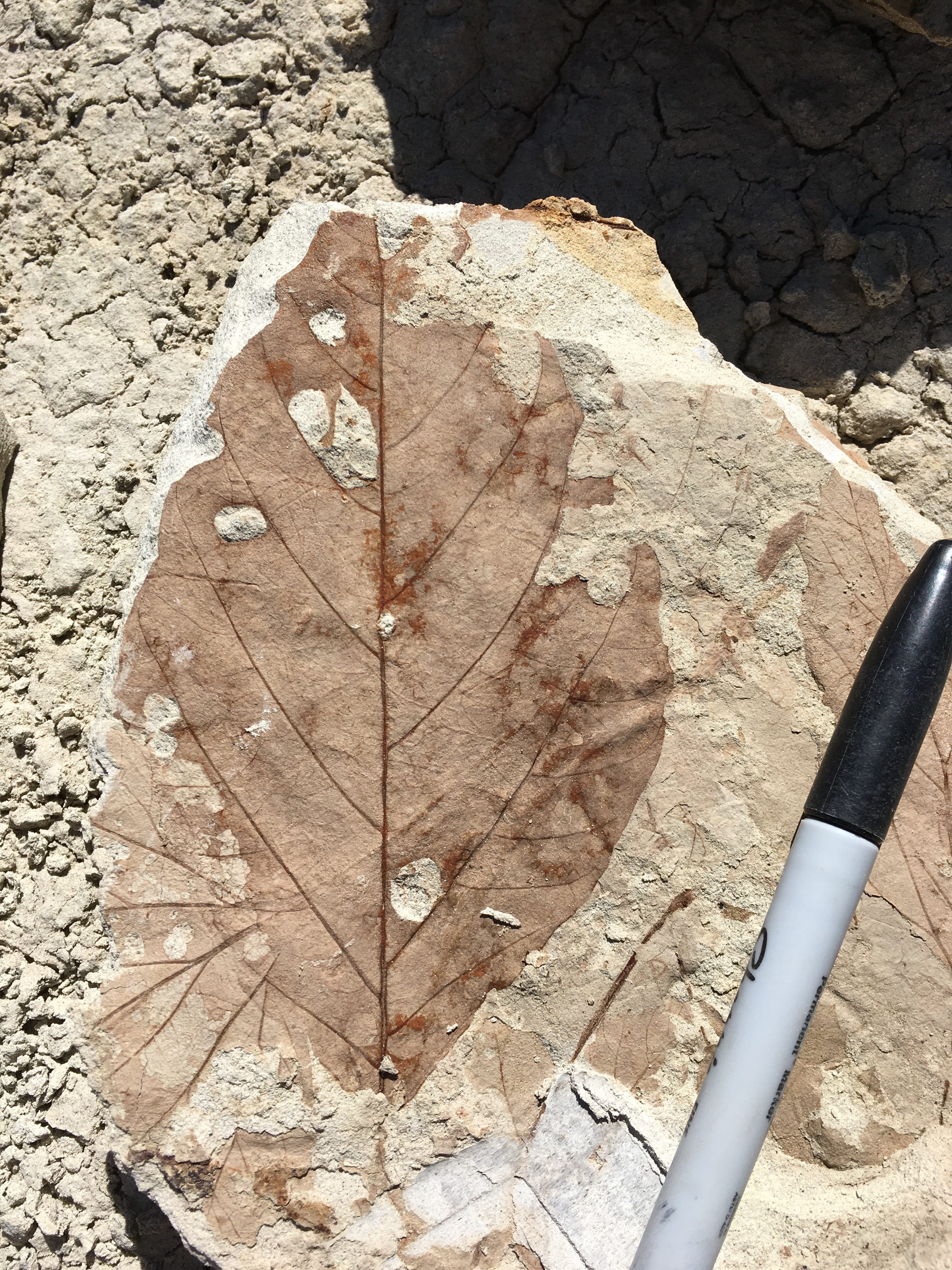
- Assessing how terrestrial ecosystems respond to mass extinction and climate change
- Developing paleobotanical proxies for paleoclimate and paleoecology using modern plant traits
We are also open to collaborating with students and researchers on topics outside these four areas. For example, students and researchers in the LEAFF Climate Lab are also exploring other projects that range from understanding the evolution of the East African Rift System and the Afar mantle plume to morphometrics of Columbian Mammoths to stable isotope ecology of mammals.